

Electronic Transferable Records & Digital Trade Documents in Bangladesh
Advice on electronic transferable records and digital trade document control for Bangladeshi exporters, importers, banks, shipping lines and platforms: electronic bills of lading, digital bills of exchange and promissory notes, platform rulebooks, letters of credit, governing law and disputes over control and title.

- Map the document chain
- Assess legal effect
- Draft and align documents
- Support and resolve
What electronic transferable records mean for Bangladesh trade
Bangladesh's trade still runs largely on paper. Bills of lading, bills of exchange and other documents travel by courier between exporters, banks and buyers, and a delayed original can hold up cargo or payment for days. Electronic transferable records promise to change that by allowing a single, controllable digital document to replace the paper original. We advise exporters, importers, banks, carriers and technology providers on how these documents work, when they are legally effective, and how to adopt them without losing the rights that paper gives. This work sits within our technology, IP and data practice in Bangladesh.
The central legal problem is possession. Paper documents work because whoever holds the original can claim the goods or payment, and transfer happens by endorsement and delivery. Electronic files can be copied endlessly, so the law needs a substitute for possession. The UNCITRAL Model Law on Electronic Transferable Records answers this with the concept of control: a reliable system that identifies the record, allows only one person to control it at a time and records each transfer. The United Kingdom, through its Electronic Trade Documents Act 2023, and Singapore have legislated on this basis.
In Bangladesh, the ICT Act 2006 recognises electronic records generally, but the statutes on negotiable instruments and carriage of goods were drafted for paper, and the position of a purely electronic transferable document under Bangladeshi law is not settled. Unless and until dedicated legislation is adopted, much of the market relies on contract. Electronic bill of lading platforms operate under rulebooks binding every user. A supportive governing law, such as English law, can help. We assess each structure so that clients understand where electronic transferable records rest on statute and where they rest on contract.
Banks are central. Letters of credit and documentary collections depend on presentation of compliant documents, and banks in Bangladesh are subject to Bangladesh Bank rules on foreign exchange, export proceeds and import payments. Electronic presentation is possible where the credit allows it and the ICC rules on electronic presentation are incorporated, but each bank's systems and risk appetite differ. We help exporters, importers and banks align sales contracts, credits, collection instructions and platform arrangements, so that electronic documents are accepted at each step and trade finance security over goods and documents remains effective. Electronic transferable records change bank security too.
Disputes about control, misdelivery, fraud and platform failure are still developing, and the answers depend heavily on the platform rules, the governing law and the evidence held by the system. Barrister Tahmidur Rahman and Barrister Remura Meheruba Mahbub advise on trade, banking and finance transactions involving digital documents, and Adv Syed Wahid leads related litigation in Bangladesh. We work with counsel in the UK, US, UAE, China, India and Singapore when foreign law governs the record or the platform. To review a pilot or live dispute, contact our Dhaka office. Early electronic transferable records advice avoids costly gaps.
Core workstreams
Four clear stages
- 01Map the document chain
- 02Assess legal effect
- 03Draft and align documents
- 04Support and resolve
Talk to a partner
Consultations in Dhaka or by video. Scope, team and fees are agreed in writing first.
Book →What we handle

Legal status assessments
- Map the document chain
- Assess legal effect
- Draft and align documents
- Support and resolve
Platform rulebooks and user agreements
- Map the document chain
- Assess legal effect
- Draft and align documents
- Support and resolve
Trade finance and banking
- Map the document chain
- Assess legal effect
- Draft and align documents
- Support and resolve
Sales and shipping contracts
- Map the document chain
- Assess legal effect
- Draft and align documents
- Support and resolve
Pilots and implementation
- Map the document chain
- Assess legal effect
- Draft and align documents
- Support and resolve
Control disputes and fraud
- Map the document chain
- Assess legal effect
- Draft and align documents
- Support and resolve
Legal status assessments
We analyse whether a proposed digital document will be treated as equivalent to its paper counterpart under Bangladeshi law, the governing law of the contract and the law of other countries on the trade route. Our assessments cover bills of lading, warehouse receipts, bills of exchange and promissory notes, and identify where legislation, platform rules or contractual drafting must carry the weight that statute does not. Each assessment gives a clear risk rating for electronic transferable records.
Platform rulebooks and user agreements
We review and negotiate platform rulebooks, user agreements and service terms for electronic bills of lading and other electronic transferable records. Key issues include how control is defined and transferred, how the system handles errors and outages, switching to paper, liability caps, data security, audit logs, governing law and dispute resolution, and whether every party in the chain has signed up. We also check how disputes between users are resolved.
Trade finance and banking
We advise banks, exporters and importers on letters of credit, documentary collections, supply chain finance and pledges that use electronic documents. This includes incorporating the ICC rules for electronic presentation, aligning credit terms with platform capabilities, preserving the bank's security over goods and documents, and meeting Bangladesh Bank requirements on foreign exchange transactions, export proceeds and record-keeping. Electronic transferable records must fit each bank's existing systems and approvals.
Sales and shipping contracts
We update sales contracts, charterparties, booking terms and forwarding agreements to provide for electronic transferable records, including which platform will be used, what happens if a party cannot access it, when paper documents may be issued instead, and how risk, title and payment pass. Consistent drafting across the documentary chain avoids gaps that can be exploited when markets move or disputes arise. Templates are provided for repeat shipments.
Pilots and implementation
For businesses and banks running pilots, we prepare a legal framework covering participants, governing law, platform terms, internal approvals, regulatory engagement and fallback procedures. We review internal policies on who may operate the platform, approval limits, record retention and incident response, so that operational staff handle digital documents with the same discipline traditionally applied to paper originals. Pilots involving electronic transferable records benefit from clear success measures and exit points.
Control disputes and fraud
We act where control of an electronic document is disputed, cargo is delivered to the wrong party, a platform suffers an outage or a record appears to have been manipulated. We secure platform data and audit trails, analyse the rulebook and governing law, seek urgent relief where cargo or funds are at risk, and coordinate proceedings abroad when the platform, carrier or counterparty is outside Bangladesh. Early notice to the platform operator, carrier and banks can prevent further transfers of the record while the position is established. We also handle recovery claims afterwards.
Partner-led, on every matter.
Technology, IP & Data matters at TRW are led by partners, supported by associates, with one responsible lawyer from first advice to final outcome.
Meet the firm →



01What are electronic transferable records and why do they matter for Bangladeshi trade?
Electronic transferable records are digital equivalents of documents that give their holder a right to goods or money, such as bills of lading, bills of exchange, promissory notes and warehouse receipts. They matter because paper originals are slow, costly to courier and vulnerable to loss and fraud. For Bangladeshi exporters, delays in original documents can hold up payment under letters of credit and release of goods at destination. Digital documents can move in minutes. The legal challenge is ensuring that the digital version carries the same rights, can be transferred reliably and will be recognised by banks, carriers and courts.
02Does Bangladeshi law recognise electronic bills of lading as equivalent to paper originals?
The ICT Act 2006 recognises electronic records and signatures generally, but Bangladeshi statutes on carriage of goods and negotiable instruments were written for paper documents, and there is no settled authority that a purely electronic bill of lading has the same legal effect as a paper original. In practice, electronic bills of lading are used under platform rulebooks that bind all users contractually, often governed by English law. That approach works well when all parties are on the platform, but gaps can appear when a party outside the system is involved. We assess each transaction to identify those gaps.
03What is the UNCITRAL Model Law on Electronic Transferable Records?
The Model Law, adopted by UNCITRAL in 2017, provides a template that countries can enact so that electronic documents can perform the same legal functions as paper transferable documents. Its core idea is that control of an electronic record, through a reliable system, replaces possession of a paper original. A growing number of jurisdictions have legislated on this basis, including the United Kingdom, Singapore and several others in the Middle East and Asia. Where a trade route involves such countries, choosing their law can give electronic transferable records statutory support that contract alone cannot provide.
04Can a letter of credit in Bangladesh accept electronic documents instead of paper?
Yes, if the credit and the banks involved provide for it. The ICC has issued supplements and rules for electronic presentation, and a credit can incorporate them so that electronic records are presented instead of, or alongside, paper. Each issuing, advising and confirming bank must be able to receive and examine the electronic documents through a compatible platform. Banks in Bangladesh also operate under Bangladesh Bank rules on foreign exchange and trade transactions. We review credit terms, platform arrangements and sales contracts so that electronic documents will be accepted and compliance with the credit can be shown.
05What happens if a party in the chain is not on the electronic platform?
This is one of the most common practical problems. If a buyer, bank or carrier further down the chain cannot access the platform, the electronic document may need to be converted to paper, and the rulebook should set out how that is done, who may request it and how the electronic record is closed so that two originals never coexist. Where conversion rules are unclear, disputes over title and delivery can follow. We advise on platform selection, contract clauses requiring all parties to participate and switch-to-paper procedures that protect the client's position. Electronic transferable records should never leave title uncertain.
06Who is liable if an electronic transferable record platform fails?
Liability depends mainly on the platform rulebook and service agreement. Many platforms limit their liability for outages, errors and security breaches, and exclude indirect losses. Users may also have claims against each other under the underlying sales or carriage contracts. Where a failure leads to misdelivery or delayed payment, the question of who bore the risk under the contract becomes central. We review platform terms before clients sign up, negotiate improvements where possible, and advise on insurance and contractual protections that reduce exposure to platform failure involving electronic transferable records. Insurance cover also needs checking.
07Can digital bills of exchange and promissory notes be used and enforced in Bangladesh?
Bills of exchange and promissory notes in Bangladesh are governed by the Negotiable Instruments Act 1881, which assumes paper instruments, signatures and delivery. Whether a purely electronic instrument would be treated as a negotiable instrument under that Act, with the same rights for holders in due course and the same enforcement routes, is uncertain. Parties can still create enforceable payment obligations electronically, but they may lose some of the special legal advantages negotiable instruments carry. For cross-border trade, governing law and platform choice can help. We advise on structures that preserve enforceability. Legal advice should come first.
08How should a bank or exporter prepare to adopt electronic transferable records?
Start with the trade flows where benefits are clearest, such as regular shipments to buyers already using a platform. Map the parties, banks, carriers and laws involved, choose platforms that counterparties accept, and update sales contracts, credit terms and internal procedures. Staff need clear rules on who can operate the platform and approve transfers. Insurers and P&I cover should be checked. We prepare a legal readiness review, draft the necessary clauses and policies, and support pilots so that the move to electronic transferable records happens in a controlled and well-documented way. Pilots should be reviewed afterwards.
From first call to resolution.
- 01
Map the document chain
We identify the documents involved, every party that must issue, hold, transfer or receive them, the platforms in use and the governing laws, so that legal gaps in the chain are visible before any pilot or transaction begins.
- 02
Assess legal effect
We analyse the status of each digital document under Bangladeshi law, the chosen governing law and the platform rulebook, and set out where statute, contract and practice support electronic transferable records and where risks remain for each party.
- 03
Draft and align documents
We prepare or revise sales contracts, credit terms, platform agreements, switch-to-paper clauses and internal procedures so that the same rules apply across the chain and every party knows how control passes from the start.
- 04
Support and resolve
We support live transactions and pilots, handle questions from banks, carriers and regulators, update documents as laws change, and act quickly in disputes over control, delivery, fraud or platform failure in Bangladesh and abroad.

“Demonstrates an extraordinary command over both domestic litigation and international arbitration.”
The Legal 500 Asia Pacific, Bangladesh: Dispute resolution, client feedback
Related reading.
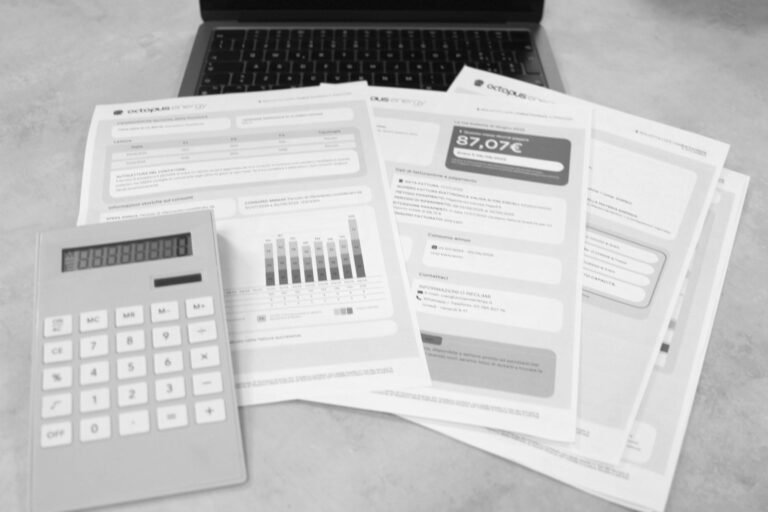
Letter of Credit in Bangladesh: Opening, Types, UCP 600, Recovery and Stopping Payment in 2026
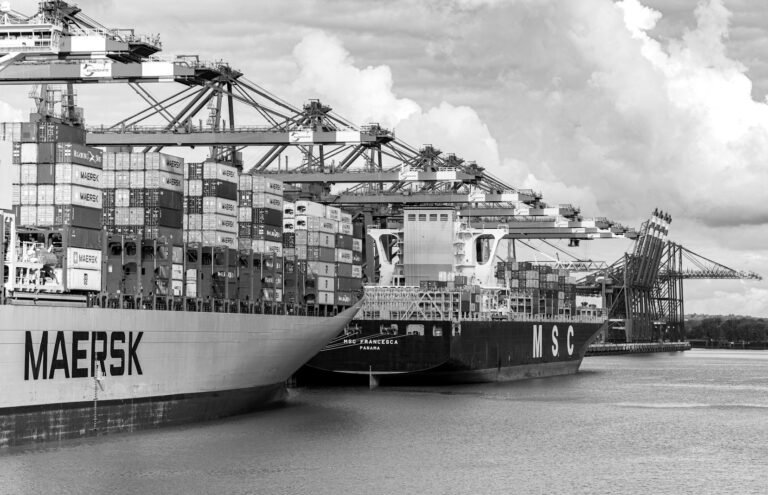
Bill of Lading Disputes in Bangladesh 2026: House Bills, Freight Forwarders and Delivery Without Originals

Trade Finance in Bangladesh 2026: Export Proceeds, Commodity and Metals Trading
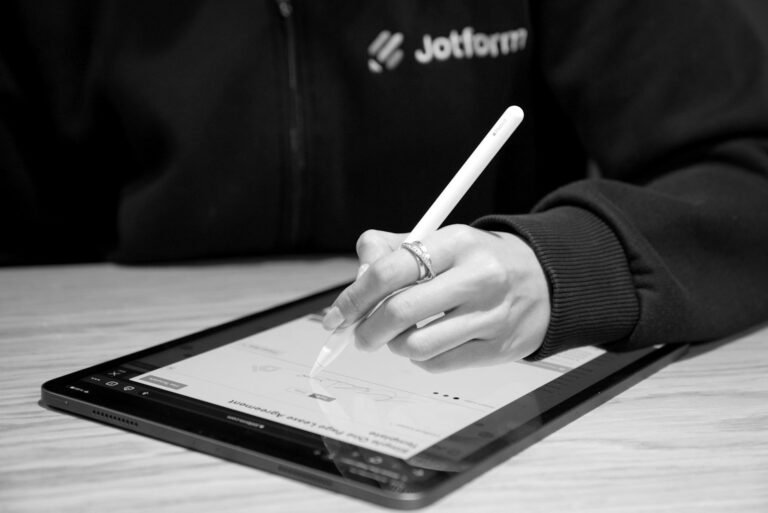
Digital Signature Law Bangladesh 2026: E-Signatures, Software Licensing and Online News Portal Registration
All insights →
Are electronic transferable records the same as scanned documents?
Which electronic bill of lading platforms are commonly used in trade with Bangladesh?
Does English law govern most electronic trade documents?
Can goods be released at Chittagong port against an electronic bill of lading today?
What happens to bank security when documents become electronic?
Do electronic transferable records reduce fraud risk compared with paper?
Will Bangladesh adopt dedicated legislation on electronic trade documents soon?
Do you advise technology providers building trade document platforms?
Moving trade documents online? Get the legal structure right
Speak with the partners about Electronic transferable records in Bangladesh or across borders.
Book a consultation →











